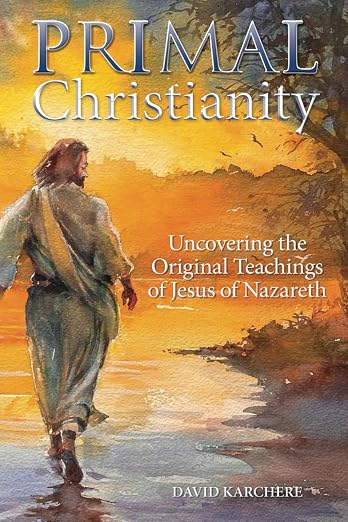
Jesus’ Original Teachings - David KarchereJesus’ Original Teachings
Written by David Karchereon October 23, 2024Join the Primal Christianity Online Course
The Christian church through the millennia has done a great job of turning the First Christian into a religious figure while often ignoring who he was as a spiritual teacher.
There is so much that the Christian church has said about Jesus. Christians have painted him with the beliefs of those who came after him. They have all attached their own version of the significance of his birth, life, and crucifixion.
Over millennia, Christianity has produced endless paintings and statues portraying him in a multitude of ways—seldom smiling, in agony, as a baby, and having risen from the grave. It has told many versions of the Jesus story. And it has promoted the teachings of people like the apostles Peter and Paul who claimed to be the chief spokespersons for Jesus’s message. But all too often, Christianity has failed to share the pure essence of Jesus’s teachings with the world.
The icons of Christianity are sacred to many, and so are the beliefs it teaches, no matter what their origin. And I don’t mean to trample on what is sacred to anyone. Whatever is precious to someone about Christianity, I honor and respect.
In America, and in many parts of the world, people are free to believe what they want to believe. And religious institutions are free to teach what they want to teach. And still, my concern is for all the people who have gotten so turned off by a Christian church somewhere. They’ve been turned off by religion, and in the process felt alienated from Jesus himself, and
what Jesus taught. In the process, they haven’t really understood or appreciated the radical teachings that he brought to the world.
The Essential Message of Jesus' Teachings
So what was the essential message of Jesus’s teachings? What were his secret teachings that have been so hidden from the world? Have they been hidden within the Dead Sea Scrolls? Do you have to search the accounts of the Gnostic gospel writers to find them? Or do you have to learn Aramaic to find the historical Jesus and read what Jesus spoke in the original language in which he spoke?

You might find the
essential teachings of Jesus in any of those places. But you don’t have to. His radical teachings are hidden in plain sight in the red-letter words of the New Testament gospels—the record of what he, himself, said, translated into English, the most commonly used language in the whole world.
Jesus as a Spiritual Teacher
Now imagine you had available to you the spiritual teaching of someone who was one of the greatest spiritual teachers of all time. He is not alive in the flesh. Nonetheless, what he said is available to you—his insights on your life and what it means to be a human being. He is giving you self-help instructions—things you can do for yourself to make your life better. He is offering guidance on your relationships with friends, family members, and colleagues. And he is doing it with great love, compassion, and understanding.
Most of all, he is inviting you to know the source of your own being, the Divine within you and within all people.
Imagine there is no shaming going on. No negativity. No threatening you with eternal damnation after you die. He is not playing the martyr, nor asking you to be one. There is only this wise and loving voice, guiding you on your spiritual path. He is bringing profound insight regarding the world and your own life.
What Was So Radical About Jesus' Original Teachings?
I have appreciated Jesus’ sayings all my life. Mostly, they have come to me in short verses or passages from the gospels of Matthew, Mark, Luke, and John. Each of those sayings has brought such insight and understanding.
At Christmastime 2023, I began a deep reflection. When you add it all up, what was he saying? What was the essence of his message? And what made it so radical?
This deep reflection became the text of my most recent book,
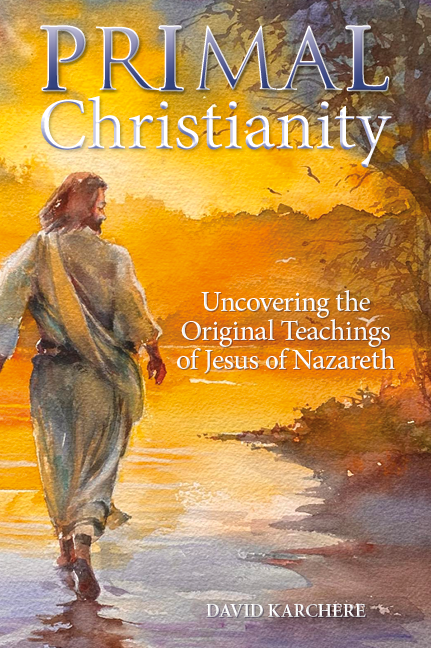
Primal Christianity: Uncovering the Original Teachings of Jesus of Nazareth. As I read through what he said, I found five essential teachings of Jesus. And all of them got back to this: The fulfillment of love in the human experience. And with that came something else: The fulfillment of the desire to know.
Transcending Fear and Superstition
People before Jesus had taught people to love God. But their version of loving God was full of fear and superstition. It was colored with a sense of powerlessness and attempts to appease the wrath of an angry God. This was the prevailing attitude of the civilizations of the ancient world toward the many gods they worshipped. It included sacrifice to those gods, even to the point of human sacrifice.
This is how Merriam-Webster defines superstition:
1a: a belief or practice resulting from ignorance, fear of the unknown, trust in magic or chance, or a false conception of causation
1b: an irrational abject attitude of mind toward the supernatural nature, or God resulting from superstition
2: a notion maintained despite evidence to the contrary

Does any of that sound familiar? People suffer from superstition even today in this post-modern world.
The Israelite leaders sought to bring their people out of this pattern. In the Old Testament record, Abraham refrained from sacrificing his son, Isaac. Moses preached against human sacrifice. And yet it proved to be very difficult for the Israelites and the Jewish people who carried on their legacy to move out of the ancient superstitious pattern.
Jesus’s gospel was an invitation to transcend a fearful, superstitious way of relating to the Divine.
What Made Jesus' Teachings so New?
Jesus taught love fulfilled. He didn’t teach people about a distant, unrequited love. He didn’t teach people to love a God doesn’t love you back. And he taught people to know the fulfillment of their love in the living of their life—to love one another. Not only your friends but people you might have thought of as your enemies. He taught people to turn the other cheek.
That was new then. And it is new now. It is radical.
What happens when we love someone or something? We are attracted to them. And if they love us back, we draw closer. We join with that person in some way.
Jesus taught that if it is God we are loving, we are joining with God. And God is joining with us. In that communion, we are reaching out in love to our world. This is how Jesus said it in the Gospel of John:
That they all may be one; as thou, Father, art in me, and I in thee, that they also may be one in us:
This is the fulfillment of love that Jesus knew for himself and shared with the world. And when we experience the fulfillment of love, we come to know who we love. We have joined with God so we know God because of it. We have the capacity to join in spiritual intimacy with other people, so we come to know them in that way.
Becoming Disciples
It is not too late to
become a disciple of Jesus, the spiritual teacher. Personally, I’m not up for becoming a disciple of Jesus, the religious icon, or of a church. But it is an honor to follow him and his teachings.
He has never taken advantage of me. His wisdom has never let me down. His loving guidance has always been true. And liberating.

The Eternal Christ Light
I invite you to consider something further regarding the teachings of Jesus. It is clear they are historical. Or at least, they have a historical dimension. They come from out of the past, from a different time and a different era of human development. In fact, that’s an important consideration when attempting to gain a clear understanding of what he said. But there is a dimension of who he was and is that transcends time. And there is a spiritual transmission that is likewise beyond time—eternal.
Consider this statement by Jesus from John 8:58:
Before Abraham was, I am.
From the standpoint of English grammar, it doesn’t quite make sense. But reflecting on it deeply, what could it mean other than that Jesus was claiming what he knew for himself—that there was a dimension of himself that was and is beyond time.

According to Jesus’ own statement, he was speaking for the heavenly Father—for what is eternal. That reality is Alpha and Omega, the beginning and the end, and everything in between. It transcends time.
Meditating deeply on Jesus’ words as recorded in the Bible, it is possible to perceive the eternal source from whence they come. You can tune into that source now in this present moment. And in that deep listening, it is possible to feel the holy spirit, the non-verbal emanation of eternal life and the highest love now, transcending time.
How Did Christianity Become Like This?
The word Christianity covers many religious denominations and traditions, and there is something unique about each of them. Many of them go to a beautiful spiritual depth.
But don’t you wonder how Christianity as a whole became what it is today? And why it is hard to find a clear, pure expression of Christ’s teachings brought by Jesus himself? Why is it so hard to connect with the holy spirit that transcends time?
Why do you go into so many churches and see a statue of a bloody man dying on a cross with people venerating that statue, something that the first Christians never did? That didn’t happen until the 6th century A.D.
There have been reasons for the path that Christianity has taken, dating back to the apostles, early Christianity, the Roman Empire, Martin Luther, and more. I became curious about what became of the teachings of the original Christian. That is not a topic that fascinates most people, but it does me. I really wanted to know how Christianity became what it is today, and where it deviated from the profound teachings of its founder. So I studied original documents that showed just where it happened.
If that fascinates you too, you might enjoy my book, Primal Christianity: Uncovering the Original Teachings of Jesus of Nazareth. It illuminates the teachings of the first Christian. And it shows how Jesus’ teachings got lost over the centuries. What’s more, you will have a fresh look at what Jesus, himself, was saying.
Bringing Primal Christianity to the World
The word primal simply means first. So primal Christianity is simply the original truth that Jesus Christ brought to the world.
I am on a journey to explore primal Christianity myself and share it with others. I invite you on this journey with me. And if you are already on the journey, let’s go together. Let’s bring primal Christianity to the world.
If you want to read my book, you can find it
here. Or on any Amazon site around the world.
And if you would like to subscribe to my free blog, The Pulse of Spirit, just click
here.
PrevWhat Is Primal Christianity?NextWhat Was the Central Message of Jesus of Nazareth?
데이비드 카처(David Karchere)의 저서 <원시 기독교: 나사렛 예수의 원래 가르침을 밝히다>(Primal Christianity: Uncovering the Original Teachings of Jesus of Nazareth)는 기독교 역사와 교리에 가려진 예수의 본질적인 메시지를 복원하려는 영성적 시도이다.
요청하신 대로 이 책의 핵심 내용을 요약하고 그 가치를 평가하는 평론을 <해라> 체로 기술한다.
요약: 교리를 넘어선 보편적 사랑과 신성한 일체감
1. 왜곡된 유산과 본질의 상실
데이비드 카처는 기독교라는 종교적 제도와 교리가 예수가 전달하고자 했던 신비롭고 순수한 메시지를 계시하기보다 오히려 가려왔다고 주장한다. 역사적으로 인류는 예수의 존재에 친밀감을 느끼면서도, 제도권 교회가 심어놓은 두려움과 미신, 정죄의 틀 때문에 그의 진정한 가르침에 가닿지 못했다. 저자는 교회의 도그마와 맹목적인 믿음을 한 꺼풀 벗겨낼 때, 그 중심에 있는 '보편적 사랑(Universal Love)'이라는 순수한 황금을 발견할 수 있다고 역설한다.
2. 두려움과 미신의 초월
예수 이전의 종교적 전통 역시 신을 사랑하라고 가르쳤으나, 그것은 대개 진노하는 신을 달래기 위한 두려움과 무력감에 기반한 미신적 복종에 가까웠다. 그러나 예수가 가져온 가르침은 철저히 달랐다. 예수는 멀리 떨어져 응답하지 않는 신이 아니라, 인간의 삶 속에서 온전히 성취되는 사랑을 가르쳤다. 원수를 사랑하고 오른뺨을 맞으면 왼뺨을 돌려대라는 급진적인 태도는 단순한 도덕적 규범이 아니라, 두려움의 세계관을 깨부수는 영적 혁명이었다.
3. 내재된 신성과 온전한 하나 됨(Oneness)
카처가 이 책에서 가장 강조하는 예수의 가르침은 '신과의 분리'가 아닌 '신과의 일체감(Oneness)'이다. 예수가 남긴 중보기도의 핵심 구절인 "아버지께서 내 안에, 내가 아버지 안에 있는 것 같이 그들도 다 하나가 되어 우리 안에 있게 하사"는 인간 내부의 신성을 깨우는 선언이다.
인간은 보이지 않는 먼 곳의 존재를 맹신하는 데서 벗어나, 자신의 내면에 흐르는 Divine Presence(신성한 임재)를 직접 경험해야 한다. 신과 결합하여 신을 알게 되고, 타인과 깊은 영적 친밀함을 나눔으로써 온전한 하나 됨을 이루는 것이야말로 예수가 전하고자 했던 원시 기독교(Primal Christianity)의 본질이다.
평론: 제도 종교를 향한 급진적 성찰과 원초적 영성의 복원
<원시 기독교>는 단순히 성서의 구절을 역사적으로 고증하는 텍스트 해석학에 머무르지 않는다. 오히려 현대의 수많은 영적 구도자가 기독교라는 종교에 느끼는 갈증과 거부감의 원인을 정확히 짚어내고, 그 대안으로 '원초적 영성(Primal Spirituality)'을 제시한다는 점에서 독창적인 가치를 지닌다.
1. 종교성(Religiosity)과 영성(Spirituality)의 과감한 분리
이 책의 가장 큰 미덕은 '기독교'라는 종교가 지닌 도그마를 해체하면서도 '예수'라는 위대한 스승의 가치를 온전히 보존해 낸다는 점에 있다. 저자는 인류가 오랜 세월 동안 예수가 한 말이 아니라 예수의 '존재 방식'을 우상화하여 신비주의적 맹신으로 도피했다고 날카롭게 비판한다.
천국과 지옥, 사후의 영원한 형벌이라는 공포 마케팅으로 인간을 죄인으로 묶어두는 기존 교회의 메커니즘을 걷어내고, 예수를 '인간 삶의 의미와 내면의 신성을 깨워주는 안내자'로 재정의하는 대목은 매우 해방적이다. 이러한 접근은 기독교 내부의 개혁론자들뿐만 아니라 종교적 정죄에 상처받고 떠난 이들에게 깊은 정서적 위로와 영적 해답을 제공한다.
2. 신성의 대중화와 인간성의 격상
카처는 예수를 독점적인 신의 아들로 고립시키는 대신, 모든 인간이 도달할 수 있고 도달해야만 하는 '온전한 하나 됨'의 표본으로 바라본다. 신이 인간 내부의 창조적 힘이자 사랑의 근원으로 존재한다는 저자의 통찰은, 종교적 무력감에 빠져 있던 인간을 우주적 창조의 주체로 격상시킨다. 이는 예수의 기적이나 신성에 집착하는 전통적 신학보다 훨씬 더 실천적이며 현대적이다. 즉, 예수의 사랑은 관념이 아니라 '지금 이 순간' 타인과 원수까지도 품어 안는 생생한 삶의 양식이어야 한다는 서술은 종교의 본질이 무엇인지를 강력하게 되묻는다.
3. 한계와 비판적 조명
그러나 영성주의적 관점에 치우친 나머지, 예수가 살았던 1세기 유대 사회의 역사적 맥락과 묵시록적 배경이 다소 소거되었다는 아쉬움이 남는다. 예수의 가르침이 지녔던 사회정치적 전복성이나 로마 제국이라는 압제적 상황에 대한 저항적 측면보다는, 개인의 내면적 각성과 우주적 하나 됨이라는 영성적 측면이 과도하게 부각된 경향이 있다. 이로 인해 기독교의 기원을 지나치게 탈역사화하고 개인의 심리적·영적 웰빙의 언어로 치환했다는 비판을 피하기 어렵다.
결론
그럼에도 불구하고 데이비드 카처의 가르침은 교조적인 종교 시스템에 지친 현대인들에게 시의적절한 울림을 준다. 2천 년 동안 켜켜이 쌓인 제도 종교의 먼지를 털어내고 예수가 외쳤던 '조건 없는 사랑'과 '신성한 일체감'이라는 원초적 맥박을 복원해 낸 이 책은, 신을 잃어버린 시대에 자기 내면의 빛을 찾고자 하는 모든 구도자에게 훌륭한 나침반이 되어준다.
데이비드 카처가 묘사하는 근원적 영성과 하나 됨의 의미를 시각적·청각적으로 깊이 이해하고 싶다면 다음 영상을 참고하는 것이 도움이 된다.
데이비드 카처: 나는 세상의 심장이다
이 영상은 저자 데이비드 카처가 직접 강연한 내용으로, 본문에서 다룬 분리 의식을 넘어서는 내면의 영성적 각성과 인류의 집단적 연결성에 대한 메시지를 생생하게 담고 있다.
===
데이비드 카처리, <예수의 본래 가르침> 요약·평론
David Karchere, “Jesus’ Original Teachings,” 2024
먼저 확인할 점이 있다. <Jesus’ Original Teachings>는 독립된 책이 아니라 2024년 10월 23일 데이비드 카처리가 자신의 웹사이트에 발표한 글이다. 이 글은 그의 저서 <원초적 기독교: 나사렛 예수의 본래 가르침을 찾아서>(Primal Christianity: Uncovering the Original Teachings of Jesus of Nazareth)의 핵심 내용을 압축하여 소개한다. 따라서 여기서는 이 글 자체를 중심으로 요약하고, 앞서 살펴본 <원초적 기독교>와의 관계까지 포함해 평론한다.
1. 교회가 예수를 종교적 인물로 만들었다
카처리의 출발점은 기독교 교회가 예수를 위대한 영적 교사로 소개하기보다 숭배해야 할 종교적 인물로 만들었다는 비판이다. 교회는 예수의 탄생, 십자가, 부활에 관해 수많은 그림과 교리를 만들어왔고, 베드로와 바울 같은 후대 인물의 해석을 예수 자신의 말보다 앞세워왔다. 그 결과 예수의 실제 가르침은 잘 알려지지 않았다는 것이다.
카처리는 기독교의 상징과 신앙을 무조건 부정하지는 않는다. 그는 사람들이 소중하게 여기는 종교적 전통을 존중한다고 말한다. 그러나 교회에 실망한 사람들이 기독교뿐 아니라 예수 자신에게서도 멀어진 현실을 문제로 본다. 그의 관심은 교회제도를 옹호하거나 공격하는 데 있지 않고, 예수가 실제로 무엇을 가르쳤는지를 다시 듣게 하는 데 있다.
이 글이 겨냥하는 독자는 전통적 기독교 신앙에 만족하는 사람보다 교회의 죄책감, 배타성, 위선에 실망했지만 예수에게는 여전히 관심이 있는 사람들이다.
2. 예수의 가르침은 숨겨진 비밀이 아니다
카처리는 예수의 본래 가르침을 찾기 위해 사해문서나 영지주의 복음서, 아람어 비밀문서를 찾아야 한다는 생각을 경계한다. 예수의 핵심 가르침은 이미 신약성서 복음서에서 예수의 직접 발언으로 전해지는 문장들 속에 “눈앞에 숨겨져 있다”고 말한다.
그가 하려는 일은 새로운 문헌을 발견하는 것이 아니라, 익숙한 예수의 말을 교회가 덧씌운 형벌, 죄책감, 교리적 틀에서 분리해 다시 읽는 것이다.
예수는 인간에게 자기 자신에 관한 교리를 믿으라고 요구한 종교 창시자이기 전에, 인간의 삶과 관계를 변화시키는 실제적 지혜를 가르친 영적 교사였다는 것이 카처리의 기본 입장이다. 그는 예수의 말을 일종의 ‘자기 도움의 가르침’으로도 표현한다. 예수는 가족, 친구, 동료와 어떻게 관계해야 하는지, 인간은 누구인지, 자기 존재의 근원과 어떻게 연결될 수 있는지를 알려준다는 것이다.
이러한 표현은 예수를 현대적인 영성교사로 친근하게 만드는 장점이 있지만, 동시에 그의 가르침을 심리적 자기계발로 축소할 위험도 있다.
3. 수치심과 지옥의 공포가 없는 예수
카처리가 재구성하는 예수에게는 수치심을 이용한 통제나 영원한 지옥의 위협이 없다. 예수는 인간을 부정적으로 몰아붙이거나 순교를 강요하는 인물이 아니라, 사랑과 연민으로 영적 길을 안내하는 교사이다. 무엇보다 그는 인간에게 자기 존재의 근원, 곧 자신과 모든 사람 안에 있는 신성을 알도록 초대한다.
여기서 카처리는 전통 기독교의 죄와 심판 중심 해석을 크게 뒤집는다. 예수의 메시지는 “너는 죄인이므로 벌을 받을 수 있다”가 아니라 “너 안의 신적 근원을 알고 사랑의 삶을 실현하라”는 초대라는 것이다.
이 관점은 <신성한 빛의 사절단>의 오래된 인간관과 정확히 이어진다. 인간은 근본적으로 타락하고 무가치한 존재가 아니라, 신적 생명이 자신을 표현하는 통로이다. 문제는 죄책 자체보다 그 본래적 정체성을 잊은 ‘영적 기억상실’에 있다.
4. 예수 가르침의 핵심은 사랑의 성취다
카처리는 예수의 여러 말씀을 종합한 결과 다섯 가지 핵심 가르침을 발견했다고 말한다. 그러나 이 짧은 글에서는 그 다섯 항목을 각각 체계적으로 열거하지 않고, 그것들이 모두 하나의 중심으로 돌아간다고 설명한다. 그것은 “인간 경험 안에서 사랑이 성취되는 것”이며, 동시에 “알고자 하는 갈망의 성취”이다.
그가 말하는 사랑의 성취는 하나님을 멀리서 사랑하지만 응답받지 못하는 상태가 아니다. 하나님을 사랑하면 하나님과 결합하고, 사람을 사랑하면 그 사람과 실제적 관계를 맺으며, 사랑을 통해 상대를 알게 된다는 것이다.
예수는 단순히 하나님을 사랑하라고 말한 것이 아니다. 고대세계에도 신을 숭배하라는 가르침은 이미 있었다. 예수의 급진성은 하나님과 인간의 사랑이 실제 하나됨으로 완성될 수 있다고 가르친 데 있다는 것이 카처리의 주장이다.
그는 요한복음 17장의 “아버지께서 내 안에, 내가 아버지 안에 있는 것처럼 그들도 하나가 되게 하소서”라는 말씀을 중요한 근거로 사용한다. 사랑은 막연한 선의가 아니라 결합과 친교, 상호 앎으로 완성된다.
5. 사랑의 성취는 앎의 성취다
카처리에게 사랑과 앎은 분리되지 않는다. 한 사람을 진정으로 사랑할 때 그를 알고, 상대가 나를 사랑할 때 나 역시 알려진다. 하나님을 사랑하고 그 사랑에 응답받을 때 인간은 하나님을 관념적으로 믿는 데서 벗어나 실제로 알게 된다.
그래서 그는 예수가 신앙을 가르쳤다는 사실을 부정하지 않지만, 신앙을 최종 목적이라고 보지 않는다. 예수에 대한 신뢰는 인간이 스스로 진리를 알게 되는 단계로 나아가기 위한 출발점이다. “진리를 알지니 진리가 너희를 자유롭게 하리라”는 말씀에서 강조점은 믿음이 아니라 ‘앎’에 있다는 것이다.
카처리는 전통 기독교가 예수 이후 다시 “앎이 없는 믿음”으로 후퇴했다고 비판한다. 반대로 현대 문명은 “사랑이 없는 지식”에 의존한다고 본다. 전자는 미신과 권위주의를 낳고, 후자는 기술적 능력은 높이지만 인간과 지구를 파괴할 수 있다. 그가 제시하는 대안은 사랑과 앎의 결합이다.
이 구도는 단순하지만 힘이 있다. 종교는 사랑 없는 교리나 앎 없는 신앙으로 흐르기 쉽고, 현대 과학기술 문명은 윤리적 방향을 잃은 지식으로 흐르기 쉽다. 카처리는 예수의 가르침을 두 극단을 통합하는 길로 본다.
6. 공포와 미신을 넘어선 하나님 관계
카처리는 고대인들이 신들을 두려워하고 달래기 위해 제물을 바쳤다고 설명한다. 심지어 인간희생도 이루어졌다. 그는 아브라함과 모세의 전통이 이런 두려움과 희생의 종교에서 벗어나려 했지만, 그 경향을 완전히 극복하지 못했다고 본다. 예수의 복음은 바로 신에 대한 공포와 미신적 관계를 넘어서는 초대였다는 것이다.
이 대목에서 그는 종교의 발전사를 비교적 단순하게 그린다. 고대 종교는 두려움과 미신, 예수는 사랑과 앎이라는 대조이다. 그러나 실제 고대 유대교 안에도 자비, 정의, 신뢰, 언약의 전통이 풍부했고, 예수의 가르침 역시 그 전통에서 나온 것이다.
따라서 예수를 고대 종교와 완전히 단절된 혁명가로 묘사하는 것은 역사적으로 지나치다. 예수의 사랑의 계명 자체도 신명기와 레위기의 전통에 뿌리를 둔다. 예수의 새로움은 사랑을 처음 발명한 데 있다기보다, 그 사랑을 하나님의 나라와 원수 사랑, 가난한 자의 회복, 공동체적 평등이라는 급진적인 형태로 실천한 데 있다고 보는 편이 정확하다.
7. 예수의 제자가 된다는 것
카처리는 종교적 우상으로서의 예수나 교회의 제자가 되려 하지는 않지만, 영적 교사 예수를 따르는 것은 영광이라고 말한다. 그의 지혜는 저자를 실망시키지 않았으며, 예수의 인도는 사랑이 깊고 해방적이었다는 개인적 고백도 덧붙인다.
이 구분은 이 글의 중심적 전략이다.
‘예수에 관한 종교’와 ‘예수의 길’을 분리하고, 예수 숭배보다 예수의 가르침을 실제로 따르자고 한다. 이는 톨스토이, 자유주의 기독교, 기독교 신비주의, 역사적 예수 운동 등에서도 반복되어온 문제의식이다.
그러나 카처리 역시 예수를 단지 역사적 교사로만 두지 않는다. 그는 예수에게 시간과 역사를 초월하는 차원이 있다고 말한다.
8. 영원한 그리스도의 빛
카처리는 요한복음의 “아브라함이 있기 전부터 나는 있다”는 말씀을 예수가 자신의 영원한 차원을 알고 있었다는 선언으로 해석한다. 예수의 육체적 생애는 역사 속에 속하지만, 그가 표현한 그리스도의 빛과 영적 전달은 시간을 넘어 지금도 작용한다는 것이다.
여기서 그의 예수 해석은 역사적·인문주의적 설명을 넘어 신비주의적 그리스도론으로 이동한다. 예수는 과거의 교사인 동시에 영원한 신적 실재를 표현한 존재이다. 인간도 그 영원한 차원과 연결될 수 있으며, 그리스도의 빛은 모든 사람 안에서 표현될 가능성이 있다.
이 점은 정통 기독교와 닮으면서도 다르다. 정통교회는 예수를 유일하게 성육신한 하나님의 아들로 본다. 카처리는 예수의 영원성을 인정하지만, 예수가 표현한 신적 존재의 차원을 모든 인간 안에도 존재하는 보편적 가능성으로 확대한다.
9. ‘원초적 기독교’의 의미
카처리는 ‘primal’을 단순히 ‘첫 번째’라는 뜻으로 사용한다. 원초적 기독교는 교회 이전, 교리 이전의 예수 자신이 가져온 진리를 뜻한다. 그는 독자들에게 자신과 함께 이 가르침을 탐구하고 세상에 전하자고 요청한다.
그러나 이것은 단순한 역사 복원 작업이 아니다. 카처리는 예수의 메시지를 EDL의 기존 언어로 재구성한다. 인간 안의 신성, 사랑과 앎의 성취, 하나됨, 영원한 존재, 신적 근원의 표현은 모두 우란다와 마틴 엑서터의 저작에서 반복되어온 주제들이다.
그러므로 ‘예수의 본래 가르침’은 사실상 ‘EDL의 영성으로 읽은 예수의 가르침’이라고 보는 것이 더 정확하다.
평론
이 글의 가장 큰 장점은 예수와 기독교 제도를 구분한다는 데 있다. 교회에 실망한 사람들이 예수의 가르침 자체까지 버리지 않도록 길을 열어준다. 예수를 죄책감과 지옥의 공포를 조장하는 인물이 아니라, 인간을 사랑과 자유, 직접적인 신적 앎으로 초대하는 교사로 제시하는 점도 매력적이다.
특히 사랑과 앎의 결합이라는 주장은 깊이 생각할 가치가 있다. 사랑 없는 지식은 사람과 자연을 대상화하고, 앎 없는 믿음은 권위와 미신에 의존한다. 참된 종교적 삶이 사랑과 이해, 관계와 분별을 함께 요구한다는 통찰은 설득력이 있다.
그러나 카처리의 글은 역사적 주장을 지나치게 단순화한다. 기독교가 예수의 가르침을 무시하고 베드로와 바울의 교리만을 가르쳤다고 일반화하기 어렵다. 기독교 역사 안에는 산상수훈, 자선, 평화, 수도생활, 사회정의, 신비적 합일을 중심으로 예수를 따르려 한 전통도 계속 존재했다.
또한 예수의 가르침을 수치심과 심판이 전혀 없는 순수한 긍정의 메시지로만 제시하는 것도 선택적이다. 복음서의 예수는 사랑과 용서를 가르쳤지만, 심판, 회개, 위선에 대한 강한 비판도 말한다. 문제는 이 요소를 삭제하는 것이 아니라 그것이 당시의 역사적·예언자적 맥락에서 무엇을 의미했는지를 해석하는 것이다.
가장 큰 한계는 “본래 가르침”이라는 표현이다. 예수가 정확히 무엇을 말했는지는 복음서의 전승과 편집을 거쳐 전달되었기 때문에 완벽하게 복원할 수 없다. 그런데 카처리는 복음서의 붉은 글씨 부분을 비교적 직접적인 예수의 말씀으로 취급하면서, 그중 자신의 영성과 맞는 내용을 중심으로 본질을 구성한다.
따라서 이 글은 역사적 예수 연구라기보다 카처리의 신비주의적 예수 해석이다. 그것을 하나의 영적 해석으로 읽으면 의미가 있지만, 예수의 유일한 원래 메시지라고 주장하면 문제가 생긴다.
또한 사랑과 하나됨을 강조하는 EDL의 역사적 맥락도 고려해야 한다. 앞서 살펴본 내부 자료에서 EDL은 과거 지도자의 권력남용, 성적 실험, 여성들이 경험한 학대, 낮은 보수와 강한 헌신의 문제를 인정했다. 이런 조직이 사랑, 하나됨, 영적 앎을 강조할 때는 그 말이 실제로 비판의 자유, 권력의 투명성, 피해자의 보호로 이어지는지 검증해야 한다.
종합하면 <예수의 본래 가르침>은 예수를 교회의 교리적 대상에서 해방하여 살아 있는 영적 교사로 다시 만나려는 짧고 분명한 선언이다. 그 핵심은 예수가 인간에게 두려움 속에서 하나님을 믿으라고 한 것이 아니라, 사랑을 완성하고 그 사랑을 통해 하나님과 타인과 자신을 직접 알도록 가르쳤다는 것이다.
이 해석은 따뜻하고 해방적이며, 교회에 상처받은 사람들에게 유익할 수 있다. 그러나 그것은 역사적으로 복원된 예수의 순수한 원음이라기보다, 카처리와 <신성한 빛의 사절단>이 자신들의 영성에 따라 재구성한 예수이다. 따라서 이 글의 가치는 “예수의 가르침은 오직 이것이다”라는 주장보다, “예수를 이런 방식으로도 다시 읽을 수 있다”는 제안에 있다.
===