2025/08/25

Impatience of the Heart by Stefan Zweig (= Beware of Pity) | Goodreads

Impatience of the Heart by Stefan Zweig | Goodreads


Want to read
Buy on Kobo


Rate this book
Edit my activity

Impatience of the Heart


Stefan Zweig

4.26
20,314 ratings2,408 reviews


The great Austrian writer Stefan Zweig was a master anatomist of the deceitful heart, and Impatience of the Heart, the only novel he published during his lifetime, uncovers the seed of selfishness within even the finest of feelings.

Hofmiller, an Austro-Hungarian cavalry officer stationed at the edge of the empire, is invited to a party at the home of a rich local landowner, a world away from the dreary routine of the barracks. The surroundings are glamorous, wine flows freely, and the exhilarated young Hofmiller asks his host's lovely daughter for a dance, only to discover that sickness has left her painfully crippled. It is a minor blunder that will destroy his life, as pity and guilt gradually implicate him in a well-meaning but tragically wrongheaded plot to restore the unhappy invalid to health.

GenresFictionHistorical FictionGerman LiteratureLiteratureNovelsLiterary Fiction20th CenturyRomanceClassicsBook Club ...show all


384 pages, Kindle Edition

First published January 1, 1939
Book details & editions


9 people are currently reading


507 people want to read

About the author


Stefan Zweig2,057 books10.2k followers

Follow


Stefan Zweig was one of the world's most famous writers during the 1920s and 1930s, especially in the U.S., South America, and Europe. He produced novels, plays, biographies, and journalist pieces. Among his most famous works are Beware of Pity, Letter from an Unknown Woman, and Mary, Queen of Scotland and the Isles. He and his second wife committed suicide in 1942.
Zweig studied in Austria, France, and Germany before settling in Salzburg in 1913. In 1934, driven into exile by the Nazis, he emigrated to England and then, in 1940, to Brazil by way of New York. Finding only growing loneliness and disillusionment in their new surroundings, he and his second wife committed suicide.
Zweig's interest in psychology and the teachings of Sigmund Freud led to his most characteristic work, the subtle portrayal of character. Zweig's essays include studies of Honoré de Balzac, Charles Dickens, and Fyodor Dostoevsky (Drei Meister, 1920; Three Masters) and of Friedrich Hölderlin, Heinrich von Kleist, and Friedrich Nietzsche (Der Kampf mit dem Dämon, 1925; Master Builders). He achieved popularity with Sternstunden der Menschheit (1928; The Tide of Fortune), five historical portraits in miniature. He wrote full-scale, intuitive rather than objective, biographies of the French statesman Joseph Fouché (1929), Mary Stuart (1935), and others. His stories include those in Verwirrung der Gefühle (1925; Conflicts). He also wrote a psychological novel, Ungeduld des Herzens (1938; Beware of Pity), and translated works of Charles Baudelaire, Paul Verlaine, and Emile Verhaeren.
Most recently, his works provided the inspiration for 2014 film The Grand Budapest Hotel.
Community Reviews

4.26

Bill Kerwin
Author 2 books84.1k followers

Follow
July 11, 2020

Did you enjoy Wes Anderson's film The Grand Hotel Budapest? Did you become entranced—as I did—by its nostalgia for the Austro-Hungarian Empire in those moonlight days before the Great War? Beware of Pity (1939), the novel which inspired the film, was written by Stefan Zweig--in exile, in London—during the time when the Nazis occupied his beloved Vienna, when Germany subsumed Austria into itself, and Austria--alas!--was no more. How ironic: at the very moment Zweig was mourning the cultural demise of the cosmopolitan empire of twenty-five years ago, Hitler was accomplishing the political death of the country on which it had been built, the present day republic that was his home.

Zweig was indeed a man of ironies. He was a name-dropper, a frequenter of fashionable cafes who fiercely guarded his privacy; he was a celebrated writer of popular fiction who yearned for artistic recognition; he was a husband who treated his wife as a secretary, then divorced her to marry his secretary; he was a Jew who considered his Judaism “an accident of birth,” a Jew who never thought of himself as a Jew until Hitler classified him as such, who even then declined to denounce the Third Reich with vigor, preferring to remain “objective”; and he was a cosmopolite comfortable in all cities of the world until the Nazis barred him from the comforts of his own city Vienna: he despaired, and, together with his second wife, killed himself with barbituates, in Petropolis, the "Imperial City" of Brazil, in 1942.

The title of this novel—and its overriding theme—Beware of Pity--has its ironies too. How can pity—the exercise of simple human compassion—be considered a corrosive force?And why would a man like Zweig, wounded by a pitiless tyrant, choose the dangers of pity for his theme?

The novel tells the story of a young Austrian lieutenant, Anton Hoffmiller, who, invited to the home of the great landowner Kekesfalva, performs the gentlemanly gesture of asking his host's daughter to dance. When she bursts into tears, he realizes that the young lady's legs are paralyzed. Humiliated, he immediately flees from the house, but sends her a dozen roses the next day. So begins a series of visits—motivated primarily by pity—which lead to disaster, not only for Lieutenant Hoffmiller, but for the Kekesfalva family too.

Zweig's reputation rests primarily on his novellas--”Letter from an Unknown Woman” and “The Royal Game” are masterpieces of the form—and some critics have faulted this, his only novel, as a novella padded to novel length by the addition of a few irrelevant stories. I disagree. Each of these subordinate narratives—about the landowner's fortune, the physician's marriage, the courtship of the officer turned waiter--presents a glimpse into the dynamics of male/female relationships, and how—for good or for ill—such relationships may be altered by pity. The novel would be poorer without these stories: like mirrors, they flash moonlight upon the surface of events, illuminating poor Hoffmiller's dilemma.

The tale is compelling, and there were even a few moments (two moments, to be precise) that had me gasping (small gasps, but real gasps), my hand raised to my mouth. The general course of the narrative may be tragically predictable, but there are plenty of little surprises--and pleasures--to be encountered along the way.

And of course, there is the moonlight which suffuses all: that seductive, antique Austrian atmosphere, which pities little and yet forgives everything.
fiction novels
521 likes
44 comments
Like
Comment


Mohammed Ali
475 reviews1,460 followers

Follow
September 9, 2021
بعد مرور أكثر من شهر :


ما الشيء الذّي يجعلني أشعر برجفة خفيفة كلّما رأيت أو لاح لي إسم هذه الرواية ؟ أو لماذا هذا الشعور ؟ أو لنكن أكثر دقّة، لماذا هذا الشعور بالذّات ؟
لازالت هناك صورة عالقة بذهني .. صورة رجل يجري في زقاق مظلم، ويتصبّب العرق منه، قد يظنّ البعض أنّ هذا العرق ناتج عن المجهود البدني المتمثّل في الجري، ولكن الأمر غير صحيح، أو لنقل أنّه صحيح من زاوية ما .. فالعرق هنا نتاج مجهود ذهني خارق مضاف إليه المجهود البدني .. رجل يجري و يفكّر ويعصر ذهنه عصرا.. إنّها الحرب.. إنّه الموت.. الموت.. الموت.. إنّه الحب .
هذه الصورة بعيدة كلّ البعد عن أحداث الرواية، لكن أنا من أخترتها لتكون نهاية لأحداث الرواية . ومن قرأ الرواية سيعرف أنّ النهاية ستحطمك .. لهذا قد تكون صورة هذا الرجل هي تمهيد لأحداث ما بعد النهاية، أو صورة للقارئ المجهد المصدوم .

أثناء القراءة :


توقفت .. وتأمّلت العنوان قليلا .. " حذار من الشفقة " .. إنّه يحذرنا من الشفقة ؟ كيف؟ وهل الشفقة خلق ذميم حتى نحذّر منها؟ ومتى كانت الشفقة مصدرا للتحذير؟
طبعا لحد الآن و أنا أقرأ سطور هذه الرواية - الأحداث لازالت ميتة إن صحّ هذا التعبير - لا يوجد أو لم أجد أو لأنّني أحب الدقة لم أكتشف سرّ هذا العنوان .. العنوان الجذّاب جدا .. وخاصة لمن يحبّ التأمل في العناوين .


بعد مرور عدّة أيام عن قراءة الرواية :


هذا عمل عبقري !!! نعم .. نعم .. هذا رأيي والذي احترمه طبعا .. هههه .. و أنا لا أريد أن أحاجج من لم يعجبه العمل .. فأنا لست ستفان زفايج !! .. وأنا لا أريد أن أضع أسبابا معينة لتصنيفه ضمن قائمة الأعمال العبقرية، ولكن فكرة الصراع بين قيمتين أخلاقيتين محمودتين الحبّ/ الشفقة عبقرية بكلّ ما تحمل هذه الكلمة من معنى .


مباشرة بعد الإنتهاء من القراءة :


لماذا هذه النهاية ؟
طبعا هناك شعور بالإضطراب يعرفه جميع القراء بدون إستثناء، لا ادري إن كانت " اضطراب " هي الكلمة التوصيفية المناسبة .. ولكن سأعوّل على ذكاء القارئ في فهمها، أو في إسترجاع ذلك الإحساس . ذلك الإحساس الذي يتولّد عند الإنتهاء من قراءة عمل عبقري .. وطبعا كل منّا صادف عملا روائيا اعتبره عبقريا بكل ما تحمل الكلمة من معنى .. و بالتّالي خبر هذا الشعور .. الشعور المزيج بين أمنية .. لماذا لم يكتب الكاتب صفحات أخرى و مرجع هذا الشعور الرّغبة في عدم إنهاء هذا العمل وبين الإحساس الناتج الذي ولّده الفضول لمعرفة النهاية والإلحاح الشّديد المستمر الذي صاحبنا أثناء القراءة لمعرفة نهاية هذه الملحمة .


قبل بداية قراءة هذه الرواية :


اتمنى أن يكون هذا الإختيار جميلا، وألاّ أضيع وقتي لأنّ القائمة طويلة جدا والوقت قصير جدا .


الآن :


أنا مشوش قليلا لهذا جاءت المراجعة مشوشة كثيرا، هناك الكثير من الأشياء في ذهني ولكن ما إن أريد إخراجها حتى تتبعثر و تصطدم بالواقع .. فتتناثر الإحساسات وتغيب التعبيرات المناسبة .
Show more
205 likes
42 comments
Like
Comment


Jim Fonseca
1,146 reviews8,301 followers

Follow
August 15, 2018
Truth in advertising: the title tells us exactly what this book is about. It’s set in Austria in peacetime in 1914 in the time leading up to WW I. A young cavalry officer is invited to a party at the home of the most wealthy family in the town he is stationed in. He sees his host’s daughter sitting with women, her legs covered by a blanket. Unaware that her disfigured legs are useless, he asks her to dance (he’s 25; she’s about 18). Everything goes downhill from there.


The young woman falls in love with the officer. Her elderly father essentially begs him to marry her with the incentive of inheriting his money. The officer is also egged on by the doctor of the young woman. Years ago, the doctor married a blind woman, essentially out of pity at not being able to “cure” her, and that worked out fine.

Part of the value of this book is seeing the sea change in attitudes toward people with physical challenges. As hard as it us for us to believe, it’s a shock to the officer to finally realize (my words) “What! A ‘pathetic cripple’ and a ‘hapless invalid’ like her [he thinks of her using those words] can have human feelings like falling in love? Who would have thought?”

Even more shocking is how the young woman absorbs those attitudes and values. She writes to the officer in a letter: “A lame creature, a cripple like myself, has no right to love. How should I, broken, shattered being that I am, be anything but a burden to you, when to myself I am an object of disgust, of loathing. A creature such as I, I know, has no right to love, and certainly no right to be loved.”

The officer comes to realize that “…pity, like morphia, is a solace to the invalid, a remedy, a drug, but unless you know the correct dosage and when to stop, it becomes a virulent poison.”

“…my astonishment at the thought that I, a commonplace, unsophisticated young officer, should really have the power to make someone else so happy knew no bounds.” “It is never until one realizes that one means something to others that one feels there is any point or purpose in one’s own existence.”

As their relationship progresses, the officer becomes what we would call today, ‘manic depressive.’ Within a couple of pages we read of his highs and lows: “On that evening I was God. I had created the world and lo! It was full of goodness and justice. I had created a human being, her forehead gleamed like the morning and a rainbow of happiness was mirrored in her eyes.” A few pages later: “I was no longer God, but a puny, pitiable human being, whose blackguardly weakness did nothing but harm, whose pity wrought nothing but havoc and misery.”

The paperback edition I read gives away the ending on the back cover, so I’ll give it here but hide it in a spoiler (it’s not pretty): The officer eventually becomes engaged to her but breaks it off and the young woman kills herself.


The book is by Stefan Zweig, so we get great writing. It’s translated from the German. There are breaks in the writing but no chapters. At 350 pages, it’s Zweig’s longest novel, written in 1938 in his London exile before he moved to Brazil. Very much a psychological novel, it’s a good read.

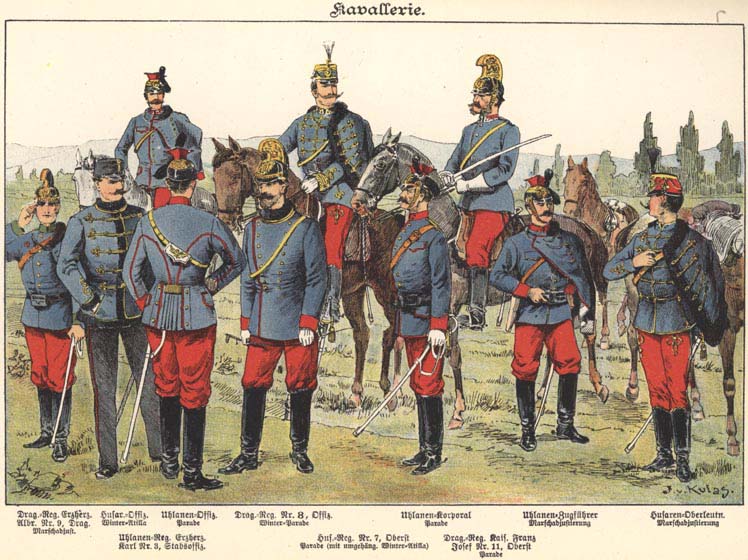
Top image of Austrian cavalry officers in WW I from http://m.cdn.blog.hu/na/nagyhaboru/im...

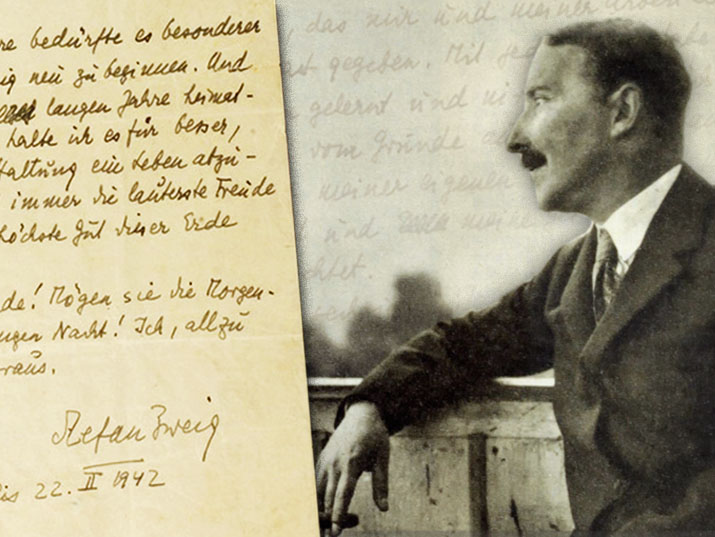
Photo of the author from alteruemliches.at


austrian-authors german-translation psychological-novel
196 likes
14 comments
Like
Comment



Pakinam Mahmoud
999 reviews4,935 followers

Follow
August 16, 2024
حذار من الشفقة..تاني رواية طويلة أقرأها لزفايغ بعد روايته الرائعة ماري أنطوانيت..

قصة الرواية بتدور حول فتاة كسيحة أحبت رجلاً بكل جوراحها وهو لم يستطع أن يبادلها نفس الشعور ولكن في نفس الوقت كان يحاول أن يكون بجانبها ليدخل السعادة إلي قلبها وطبعا ليس حباً فيها ولكن شفقة عليها!

إستطاع زفايغ إنه يوصف مشاعر الرجل والفتاة بطريقة عبقرية ..قدر ببراعة يوضح الفرق الكبير بين الحب والشفقة و إن إزاي ساعات بنكون من الضعف و لا نستطيع أن نواجه الواقع لدرجة إن ممكن ندوس علي نفسنا 'بس'عشان نرضي الآخرين..و دة في الآخر بينعكس علي جميع الأطراف بطريقة كارثية...

يُقال إن حذار من الشفقة تُعتبر من أجمل ما كتب ستيفان زفايغ و الصراحة بعد قراءة ٨ كتب لهذا الكاتب المبدع أقدر أقول إني لا أتفق مع هذا الرأي..

يعيب الرواية إن كان فيها تطويل بزيادة وكان ممكن إختصارها كتير و لأول مرة أحس ببعض الملل و أنا بقرأ لزفايغ بجانب إني لم أتعاطف أوي مع شخصيات الرواية..

ما يميز زفايغ عموماً إنه بيغوص في أعماق النفس البشرية وبيوصف مشاعر كتير في عدد قليل من الصفحات اللي غيره ممكن يوصفها في ٦٠٠ صفحة...لكن عبقرية زفايغ-زي ما بنقول كدة-إنه بيعرف يجيب من الأخر ودة اللي محسيتش إنه حصل في الكتاب هنا...

ولكن علي الرغم من كدة إلا إنها رواية جميلة..ممتعة جداً ..الترجمة كمان كانت رائعة..وأكيد يعني ينصح بها:)
Show more
170 likes
4 comments
Like
Comment


Adam Dalva
Author 8 books2,095 followers

Follow
October 31, 2019
Zweig is a master of the novella, and his mastery shows in BEWARE OF PITY, which unfortunately is a novel.

Were this 130 pages long, it would have been salvageable (not CHESS STORY level, but what is?), but the excitement of the Zweigian opening (an author, a stranger, a story within-a-story) began to diminish when it became clear that this wasn't a novel with multiple parts. Here is the spoiler-free plot, in full: a poor cavalry officer sees a beautiful woman in town, finagles an invitation to a dinner party she'll be attending at the richest mansion in the area, asks the daughter of the house to dance, is confused when she screams in horror, finds out she is paralyzed, keeps going back to the house because he feels bad for her while conveniently ignoring about 3 salient plot-points for which Zwieg maddeningly delays the reveal; is begged on all sides to continue to be nice to her while he is trapped in an escalating series of lies; completely ignores his initial infatuation with the beautiful woman, the girl's cousin (written off in a parenthetical about this long); keeps sneaking away in shame only to be convinced to return by various people about town; hears versions of the expression "beware of pity" approx. 100 times. It's a bit like a filler Curb Your Enthusiasm episode, now that I see it written out.

Zweig's central question is: do the disabled deserve love? This reminds me a bit of The Captive in Proust, which is another melodrama that revolves around an author's misconception of the world, but here the misconception is, yes, offensive, and Zweig isn't a good enough writer to find his way out of it. This is decidedly NOT a love story. Every time the protagonist cringes in horror at the sound of tapping crutches or the sight of the girl being wheeled around, we cringe too: for Zweig. I have seen this character defended as an aspect of the time in other reviews, but we turn to writers to be ahead of their time in one thing and one thing only: psychological insight.

The best parts of B.O.P. are the stories within it - the origin of the girl's father; a traveling sequence that is great until a "gypsy prophecy" sets in; that stunning opening. It has a preoccupation with suicide that is, of course, upsetting in retrospect. And I never put it down, because as with all Zweig, the world is pleasing to be in. But the false promise of the opening is never answered (this is a novel about a war hero that will never show us war), and it's all something of a trudge.

2.51, and I only rounded up for an excellent 5 page essay in the last third about what it's like when someone has a crush on you. Tempted to knock it down for the stranger on the subway who praised the "gripping action" and "brilliant characters" for 5 straight stops when he saw what I was reading even though my headphones were in, but I suppose we'll leave him out of it.

159 likes
7 comments
Like
Comment


Steven Godin
2,768 reviews3,249 followers

Follow
January 1, 2019
Beware of Pity, Zweig's one and only novel, was a book that had eluded me for quite some time, but learning of a new translation by Oxford Academic Dr Jonathan Katz (who has worked on writings by Goethe and Joseph Roth), I followed through and got hold of a copy whilst on a trip back to my home City of Bath, and as things would have it, I also learned Zweig actually stayed in Bath for a time after fleeing mainland Europe during the war. Reading 'Impatience of the Heart' was well worth the wait, I would put it up there with one of the best novels I have ever read, It captivated me from first page to the last, with moments that had me wanting to look the other way, through it's depiction of pity.

This is a story of painful and almost unbearable disillusionment swept along with a saddening nostalgia, composed by Zweig over a period of years and completed by 1938, in which a young Austrian cavalry officer, Hofmiller, befriends a local millionaire, Kekesfalva, and his family, but in particular the old man's crippled daughter, Edith (a character I will simply never forget) and the terrible consequences that follow a moment of sheer horror for the officer at a dance, thus a chain of events are triggered that Hofmiller due to his weak minded pity can not escape from. I don't want to link Zweig with Hitchcock, but there were moments of utter tension that had me peeping through my fingers in trepidation at what might or might not happen. There is also an interior psychological precision that shows just how sharply Zweig could pay attention to his characters inner workings, and this he pulls off as good as anything else I have come across, here is a man 'Hofmiller the hero', on whom everything is lost, in more than one sense of the phrase.

When first introduced to a decorated Hofmiller many years later in a cafe he spills his history to a novelist (the framing narrator) whom we may as well assume to be Zweig himself, he treats his decoration, the greatest military order Austria can bestow, with disdain bordering on contempt, and only speaks to the narrator when they meet accidentally at a dinner party later on. After this point, we should realise that the message of the book is not only the ostensible one, that pity is an emotion that can cause great ruin, but also that we must not judge things by appearances. Hofmiller, in his case, what others might regard as courage is actually the result of a monumental act of cowardice which will burden his soul for eternity.
Others have viewed this work as actually two novellas of unequal length stitched together, there is an entire back story as to how Kekesfalva obtained his wealth, but this only adds depth, it doesn't read as though it could benefit from any trimming, and something I did notice was the fact this contained no chapters, or breaks in writing, keeping a continually flowing narrative. From front to back it's a novel, pure and simple. It's length for some may be an issue. Me, I would have gladly read another 200 pages of this, and this coming from someone who is normally put off reading huge novels.

Kekesfalva, along with daughters Ilona and Edith played such a despairing role in the narrative, I spend the whole time just praying their outcome would be a good one, I felt everything they were going through, down to the finest details. Crippled Edith, I can't think of any other literary character that has had such an impact on me, my own pity for her was tenfold. Albeit in a complex and ambiguous fashion, when Hofmiller discovers, to his horror, that Edith has sexual desires for him, his existence spirals into chaos, in fact, if it didn't sound so off-putting, "Disillusionment" could be a perfectly plausible title for the novel (to go with Zweig's other one-word titles for some of his novellas: "Amok", "Confusion" or "Angst"). Beware of Pity has passages of high melodrama that had an immense power to make me put a hand over my gasping mouth, something that I can't think I have ever done before whilst reading a novel. A masterpiece.
austria classic-lit nyrb-classics
158 likes
18 comments
Like
Comment


David
161 reviews1,707 followers

Follow
September 28, 2011
Disclaimer: Despite whatever I say in the following review, and no matter how much I mock Beware of Pity, I did actually enjoy it. To a limited extent.

Stefan Zweig is an enormous drama queen. Every emotion in his novel Beware of Pity is hyperbolic, neon-lit, hammy. His narrator doesn't feel anything as prosaic as mere mere joy. No way. He's more apt to be 'blithe as a twittering bird.' People aren't only surprised; their faces turn white as a specter, their legs threaten to give way, and their whole being roils with inner turbulence. And these reactions aren't even for big surprises—like, I don't know, World War I—but rather for banal things like the mail being late and the improper buttoning of one's dinner jacket. (I'm slightly exaggerating. But only very slightly.)

This book was written in the 1930s. If you didn't know that, however, you'd be just as likely to think it was written in the 1830s. Stylistically speaking, Zweig completely missed the memo on literary modernism. It's as if it never happened. He embraces the hopelessly stodgy language [at this in translated form] and hyperdescription of the (worst of the) 19th century. There is no emotion or thought or physical appearance which manifests an emotion or thought that he will not describe into the fucking ground. He bombards you with loooong paragraphs seeking to explain the most obvious and commonplace emotional responses to you (again, in hyperbolic form) as if you are a cyborg who is newly assimilating human experience. In other words, Zweig thinks you're a moron. He doesn't trust you to know what embarrassment, hand-holding, intoxication, guilt, or hearing strange noises feels like. But he'll try his damndest to explain 'em all to ya, ya inexperienced rube. Have you been living in your bubble boy bubble all these years? Zweig's got your ass covered.

If you trimmed all the fat, this novel probably would have been one hundred pages instead of 350. And that's a conservative estimate of the editorial purges required. But the story at the center of all this prissy, rococo language is... yes, interesting. The narrator recounts (at length) how as a twenty-five-year-old lieutenant in the Austro-Hungarian Imperial Army, he met this young crippled woman and accidentally asked her to dance at a party. Oops! (Can you imagine the descriptions of his profound embarrassment? He actually FLEES the party. Total elbows and ass goin' on here.) This minor incident sets off a chain of melodramatic events in which his pity for the absurd little cripple ruins him. His pity takes over his whole life. He actually makes a career of it. He just spends all his time kissing the ass of this incredibly bitchy crippled girl. (There is an unintentionally hilarious scene near the end when the cripple's love for the narrator seems to heal her! She's able to walk two steps! Miracle! But then she falls like a ton of bricks at his feet. Not bothering to help her, he flees again. The narrator is actually an accomplished flee-er. He does it three times during the novel.)

The melodrama is—I can't lie—occasionally nauseating. You just want to smack the living shit out of the narrator, the cripple, and everyone else because they're all so emotionally volatile all the time. They're either sweating and shaking or glowing with joy like a nuclear holocaust or trying to kill themselves. (Interesting side note: Zweig and his wife killed themselves together while living in South America just a few years after this novel was published.)

The single most galling thing about this whole novel—and there are quite a few things to be galled about—is that four pages before the end, the narrator has the audacity to say: 'Melodramatic phrases revolt me.'

Hahahahahahahahahaha! <--That's the laughter which accompanies madness, by the way.
misery-loves-company nyrb
117 likes
29 comments
Like
Comment


Dolors
597 reviews2,764 followers

Follow
October 22, 2017
Pity. It had never dawned upon me what a double-edged feeling pity is. Neither had I dwelled for long on the ramifying consequences of actions triggered by that feeling. Compassion, generosity and benignity are considered virtues promoted by years of religious heritage and have therefore been imprinted on mankind’s consciousness from the beginning of times, but the mental processes and the tapestry of neuronal connections that generate good deeds are as inscrutable as the mosaic of celestial bodies that spray-paint the canvas of galaxies, which in turn might be invisible to fallible human eyesight but as real as the sunbeams that warm both the blind and clairvoyant countenances staring back at them.

“Only those with whom life had dealt hardly, the wretched, the slighted, the uncertain, the unlovely, the humiliated, could really be helped by love.” (348)

Zweig provokes the reader and makes him ponder.
Doesn’t pity entail a touch of vain condescension disguised as unselfishness?
Isn’t there some addictive self-indulgence irretrievably intertwined with the instinctive wish to please others in order to prove our worthiness to ourselves?
Human minds work in bewildering ways and Zweig combines the sharp scalpel of his precise words with the sumptuousness of his transfixing prose to probe strenuously into the nooks and crannies of the psyche of his Freudian protagonists, unfolding the serpentine passages that give shape to the sentiment of pity.
Like the dexterous magician who masters his tricks, Zweig uses the first person narrative impersonating an impressionable Lieutenant during the convoluted months previous to World War I to unravel a chain of intricate relationships that will invite the reader to contemplate the fragile boundary that separates charitableness from weakness of character.

Lieutenant Anton Hofmiller finds himself entangled in a compromising situation after asking Edith Kekesfalva, the daughter of a distinguished nobleman and sole heir of his vast property, for a dance without realizing the girl is paralyzed from waist down. Plagued by guilt and moved by a disciplined sense of honor typical of the military, Anton obliges himself to visit the girl evening after evening and basking in his own righteousness to play good Samaritan he obviates the blossoming truth of a capricious and over pampered woman falling in unhinged love for the first time.

Doctor Condor is known for treating all the “incurable” cases in Vienna with almost obstinate perseverance. After meeting pliant Hofmiller at the Kekesfalva’s, he discloses the decisive role that a combination of self-reproach and decency had on the widowed Mr. Kekesfalva into marrying Edith’s mother and the ensuing consequences of such an unpredictable union as an example of the power of goodwill to the gullible lieutenant.
Mr. Kekesfalva’s veneration of Dr. Condor, whose godlike skills are expected to perform a scientific miracle to save Edith from her underserved impairment, is boundless. Inspired by the honorable conduct of the doctor when he married one of his blind patients after failing to fulfill his promise to heal her, Mr. Kekesfalva embraces the young officer his daughter dotes on, hoping for another unlikely miracle to happen.
Credulous Hofmiller absorbs the conflicting emotions arising in him, allowing to be whirled around by the currents of gratification that flow from self-pity and remorse. Trying to edge his way around these feelings, he can’t avoid being caught up in a definite, concerted and yet seemingly aimless conspiracy run by fate. But history has a humbling lesson to teach him when collective atrocity strikes with WWI and petty individual turmoil is implacably buried under the weight of mass killing and cosmic destruction, making Hofmiller aware of his own insignificance and erasing all notions of grandiosity and masked integrity.

How much can be inferred from Hofmiller’s lack of resolution to face his failures in relation to Zweig’s despairing surrender over the overpowering sadness that took hold of him after being banished from his home, robbed of his golden memories and even estranged from his own identity?
Behind the gloss of Zweig’s flawless writing, there is the deafening roaring of a mourning waterfall that soaks the reader and yet somehow leaves him dry as a bone. A dense silence of parching deluge preys upon the reader with torrential questions and a drought of answers.
Pity or vanity? Need for validation or hedonistic egocentrism? Honest sympathy or hollow pretence?
You can enter the revolving door of Zweig’s mind and run the risk of finding your own answer, but you’d better be ready to face the turned mirror of conscience and swallow the bitter fear of being found out. It's all so very simple in the end, you only need to brace yourself, take a deep breath and Beware of Pity.
best-ever dost read-before-2011
...more
107 likes
31 comments
Like
Comment


İntellecta
199 reviews1,755 followers

Follow
June 16, 2019
Stefan Zweig writes in a very beautiful language and describes the thoughts and feelings of the protagonist so aptly and comprehensibly. The book shows a touch of psychoanalysis, but also for the sake of the human soul and the effects of different types of compassion. In his subtle, imaginative language, the author creates his own world of unparalleled atmospheric density. His creatures, with the knowing maturity of the experienced human connoisseur and the compassion of the passionate philanthropist, enter into their basic features. His narrative style is full of tension and full of drama. For me, this book is a perfect work of art.
Overall this book should have been read by anyone interested in literature and it is definitely recommendable.

"Keine Schuld ist vergessen, solange noch das Gewissen um sie weiß." S. 456

92 likes
3 comments
Like
Comment


فايز غازي Fayez Ghazi
Author 2 books4,994 followers

Follow
January 13, 2024
- "حذار من الشفقة" في معرض الحب فقط.. فالشفقة في الحب هي كالكره تماماً بل اشد وقعاً وفتكاً بالنفس البشرية...

- حينما يحب الإنسان (رجل كان او امرأة)، فإنه يحب بكل جوارحه، حتى ليتبدل الدم في عروقه حباً ويسكب هذا الشعور العنيف الغزير على الشخص الآخر... فإذا "صدمه" الآخر وكان حباً من جانب واحد، فإن غزارة هذا الحب تصير نيراناً تلظى في داخل المحب... الأسوء اذا احس هذا العاشق بأن الآخر لا يحبه بل يشفق عليه لسبب ما، فالشفقة هنا هي الخداع بذاته حتى لو كانت النية صادقة، وهذا بالتحديد ما طرقه ستيفان زافيج في هذه الرواية...

- الترجمة والسرد القصصي كانا رائعين، انتقاء التعابير جاء موفقاً...

- في ختام القصة احس الضابط ان شفقته هي حباً، لكن هذا اوهام في اوهام، فلا يمكن ان تصبح الشفقة حباً على الإطلاق...

- في هذا المضمون لا بد لي ان اشير الى مقطع صغير، من رواية عربية صغيرة، قد جسّد كل ما كان ستيفان يحاول ايصاله لنا في المئة صفحة الأولى والمئة الأخيرة، وأقتبس:
" اقتربت من وجهها، أقبلت على رحيق شفتيها الناعسة، طبعت جمرة عشق نبيذي ابيض، بصفاء قد تخمر، بطعٍم وجه نوراني يتبسم لملاك، بهدوء الماء في راحة الحجارة، بشغف العاشق الولهان.. وابتعدت ببطء، بدأ الهواء البارد يداخل أنفاسي! سافرت في عينيها وشردت، ردني ترقرق دمعتين وشفاهٌ مبتسمة.. ثار الفرح في جسدها المتعب، ضمتني إليها وهمست:"لو أحسست بشفقة في ريقك لكرهتك مدى العمر المتبقي!".
وهنا كان بطل القصة يعود ليجد حبيبته قد اصبحت كسيحة!!

- قراءة ممتعة للجميع...
Show more
82 likes
9 comments
Like
Comment

Displaying 1 - 10 of 2,407 reviews
More reviews and ratings


“My spiritual home destroyed itself”: Stefan Zweig’s Suicide Note

“My spiritual home destroyed itself”: Stefan Zweig’s Suicide Note
Home > Austrian Jewry > “My spiritual home destroyed itself”: Stefan Zweig’s Suicide Note
“My spiritual home destroyed itself”: Stefan Zweig’s Suicide Note
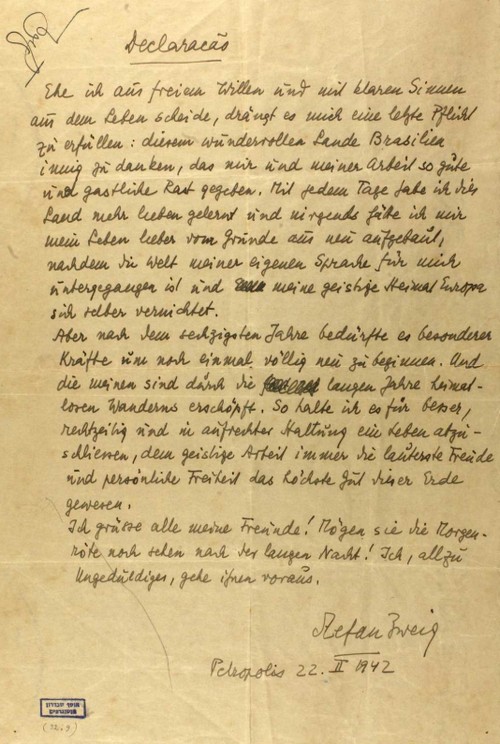
The letter with which Stefan Zweig took leave of the world is preserved today in the archives of the National Library of Israel
The National Library of Israel | 20.02.22

Austrian JewryLife Before The HolocaustStefan ZweigThe HolocaustVienna


Stefan Zweig was born in Vienna in 1881 to a well-to-do Jewish family. As the younger son, Zweig was exempt from the obligation to pursue a traditional, breadwinning profession and, instead, dedicated himself to the art of writing. He wrote poems, novellas, historical biographies, novels, and essays. Zweig traveled extensively throughout Europe and his books were sold in many languages with great success.

His most well-known work, The World of Yesterday, discusses the rise of German populism and the long-term tenure of Vienna’s antisemitic mayor, Karl Lueger. As someone who had experienced these developments first-hand, Zweig understood that this “new,” venomous iteration of politics had paved the way for the rise of the Nazis. He realized that the xenophobia and antisemitic rage that characterized this particular political movement would be exploited and perfected later by the head of the party, Adolf Hitler.

With the ascension of the Nazis to power in Germany in 1933, Zweig found himself gradually pushed out of the German-speaking world. In 1938, with the annexation of Austria by Nazi Germany, Zweig moved to England. Upon the outbreak of World War II, he traveled to the United States and visited South America. In 1941 Zweig immigrated to Brazil with his second wife, Charlotte Elizabeth (‘Lotte’).

Zweig viewed Brazil as a land of hope with a bright future. He believed that there was a chance that the values he cherished could flourish there: the unity of the human race, peace, brotherhood among men, and equality among different races. However, as the Nazis advanced their conquest and the war spread to the Atlantic, the ramifications were felt even in South America. Zweig himself felt ever more isolated and grew aware that the European world he knew and loved was lost forever.

On February 22nd 1942, Zweig and his wife, Lotte, were found dead in each other’s arms. The couple committed suicide by taking a lethal dose of pills. Zweig passed first, with Lotte following.

This is the suicide letter Zweig left behind:
The suicide note, which is kept at the National Library


Before parting from life of my own free will and in my right mind I am impelled to fulfill a last obligation: to give heartfelt thanks to this wonderful land of Brazil which afforded me and my work such kind and hospitable repose. My love for the country increased from day to day, and nowhere else would I have preferred to build up a new existence, the world of my own language having disappeared for me and my spiritual home, Europe, having destroyed itself.

But after one’s sixtieth year unusual powers are needed in order to make another wholly new beginning. Those that I possess have been exhausted by long years of homeless wandering. So I think it better to conclude in good time and in erect bearing a life in which intellectual labour meant the purest joy and personal freedom the highest good on earth.

I salute all my friends! May it be granted them to see the dawn after the long night! I, all too impatient, go on before.

Stefan Zweig

Petrópolis 22/2/1942


If you liked this article, try these:

“If Judaism is a tragedy, let us live it” – Stefan Zweig’s Letters Revealed

All that Remains of “The Great Unknown”

“Now I think that Kafka himself is saying to me: ‘You have done enough’”

4 comments
==
Larry Glinzman-Murphy
Suicide for nothing. 3 years later. all of Western Europe was freed from the Nazis.
Like · Reply · 2 · 5y

Emilio Lolli
I don't agree with you: the world where he was born had really disappeared, 6 million Jews had been killed and their presence and heritage in Europe (first of all, the Yiddish language) almost entirely destroyed. Post-1945 Europe won't be before-1939 Europe any more.
Like · Reply · 9 · 3y

Debby Toomey Stander
If you haven't read his book, "The World of Yesterday," I highly recommend it. His description of how, from the ebulliance of European life and culture entering the 20th century, the continent descended into the chaos of World War I is eye opening and the parallels between what many of us in the west are experiencing today in our countries is impossible to ignore. I'm still reading it -- am right now in the period between WW I and WW II. It is fascinating as a first-hand account and will really reward the reader with the window it opens onto history.
Like · Reply · 4 · 2y

Ralph Saultz
Thak you Debbie for the recomendation. I however am ambivalent about reading it, as in TrumpMerica 2025+ I shall likely be even more cynical about history repeating itself. The only hope is that just as in Nazi Germany, it will be but 4 years for my lumpenproletarian brethren to about- face on this dastardly man and his destructive anti-democratic policies.
Like · Reply · 28w

Dorothy Ogden
I always thought him as a I I writerwriter of romantic books. I always wanted to read his novel, "Letter from an Unknown Woman."
Like · Reply · 2y

Dorothy Ogden
I did read a psychological drama about a woman who leaves her husband for another man written by S. Zweig, I forgot the title.
Like · Reply · 2y
Facebook Comments Plugin

Adepts in Self-Portraiture: Casanova, Stendhal, Tolstoy eBook : Zweig, Stefan, Paul, Eden, Paul, Cedar: Amazon.com.au: Books

Books


Kindle $10.42
Available instantly

Hardcover
$318.90

Paperback
$96.99
==


Read sample

Follow the author

Stefan ZweigStefan Zweig
Follow


Casanova, Stendhal, Tolstoy: Adepts in Self-Portraiture: 
Volume 3, Master Builders of the Spirit Paperback – 15 February 2012
by Stefan Zweig (Author)
4.5 4.5 out of 5 stars (2)


Casanova, Stendhal, Tolstoy: Adepts in Self-Portraiture, 
the final volume of Stefan Zweig's masterful Master Builders of the Spirit trilogy, discloses the smaller version of a writer's own ego.

Unconscious though it is, no reality is as important to the writer as the reality of their own life. Giacomo Casanova, Stendhal (Marie-Henri Beyle), and Leo Tolstoy have different approaches to self-portraiture, but Zweig shows that together they symbolize three levels which represent successively ascending gradations of the same creative function.

Casanova is depicted as having a primitive gradation; he simply records deeds and happenings, without any attempt to appraise them or to study the deeper working of the self. Stendhal's self-portraiture is depicted as psychological; he observes himself and investigates his own feelings. Tolstoy has the highest level; he describes his own life, records what led him to his own actions, and focuses on self-reflection in a completely unexaggerated manner.

At first glance it might seem as if self-portraiture is an artist's easiest task. With no further trouble than a probing of memory and a description of the facts of life, "the truth" is revealed. The history of literature shows that ordinary autobiographers are no more than commonplace witnesses testifying to facts that chance has brought to their knowledge. A practiced artist is needed to discern the innermost happenings of the soul; few who have attempted autobiography have been successful in this difficult task. The present volume expounds the characteristics of these subjectively minded artists, and of autobiography as their typical method of personal expression.
Read less

Adepts in Self-Portraiture: Casanova, Stendhal, Tolstoy eBook : Zweig, Stefan, Paul, Eden, Paul, Cedar: Amazon.com.au: Books

Kindle $10.42
Available instantly
Hardcover
$318.90

Paperback
$96.99

Other New from $96.99
$10.42$10.42
Buy now with 1-Click
By clicking the button above, you agree to the Kindle Store Terms of Use.
Price includes tax, if applicable
Sold by: Amazon Australia Services, Inc..
Read with our free app

Deliver to your Kindle Library


Send a free sample
Deliver to your Kindle Library

Add to Wish List

Never miss a Kindle deal
Receive a daily email with a selection of Kindle deals and special offers you might enjoy. Learn more.
Not now


Read sample

Follow the author

Stefan ZweigStefan Zweig
Follow


Adepts in Self-Portraiture: Casanova, Stendhal, Tolstoy Kindle Edition
by Stefan Zweig (Author), Eden Paul (Translator), & 1 more Format: Kindle Edition


4.5 4.5 out of 5 stars (2)


See all formats and editions

Redeem Get $5 off $100 with Visa. Enter code VISAFIVE at checkout. Discount by Amazon. Terms


Written in the 1920s, Zweig’s work of literary criticism and biography might today be titled Masters of Memoir. In it, Stefan Zweig – one of the 20th century’s most widely-published writers – describes the creative process and work of authors for whom no subject is as compelling as the material of their own lives.

Adepts in Self-Portraiture examines the lives and work of three men who represent, in Zweig’s view, three levels of development in autobiographical writing. The first and most basic level is evinced by Giacomo Casanova, the Venetian womanizer who records his sexual and social conquests, adventures and escapes, without attempting to analyze or even reflect on them. The second level of self-portraiture is exemplified by Stendhal, the French pioneer of psychological fiction, who kept voluminous notebooks on his own experience of life and on whom no nuance of feeling seems to have been lost. Russian master Leo Tolstoy represents the third and highest level of autobiographical writing in which the psychological is imbued with the spiritual and ethical.

In Adepts, Stefan Zweig examines the impulses that give rise to life writing and anticipates the current popularity of the memoir form.

(Cover: Self-Portrait by Susan Erony, oil, acrylic, burnt paper on canvas, 2000, 24" x 18", Collection Cape Ann Museum)
Read less


Accessibility

Learn more
Publication date

30 November 2011


Next slide of product details
See all details
Report an issue with this product

This title is only available on select devices and the latest version of the Kindle app. Please refer to the supported device list before purchase. Available on these devices


Top-rated books in Kindle Unlimited

The Royal Game (Schachnovelle) | Encyclopedia.com

The Royal Game (Schachnovelle) | Encyclopedia.com

The Royal Game (Schachnovelle)
views 3,812,029updated


THE ROYAL GAME (Schachnovelle)

Novella by Stefan Zweig, 1944

The psychological novella The Royal Game (1944; Schachnovelle, 1942) is of special importance within Stefan Zweig's oeuvre since it was his last work, written shortly before his suicide in 1942 and published posthumously in Buenos Aires in the same year. The action takes place on an ocean liner bound for South America. The author-narrator, who functions as listener, commentator, and onlooker, is informed by Dr. B. that Mirko Czentovic, the chess world champion, is also onboard. Dr. B. is persuaded to play against the world champion. He wins the first game but gives up the second one, being unnerved by the cold and brutal strategy of his opponent.

Zweig described in this novella the quite different biographies of these two chess "monomaniacs." Dr. B. is a highly intelligent cultured man, a humanist in love with literature and philosophy, with a strong imagination. He comes from a family that for generations represented the business of the Roman Curia and had a close and personal relationship with the Austrian emperor. He has acquired his expertise in chess while incarcerated by the Gestapo in an isolated hotel room, during which time he learned and memorized the moves of the chess masters from a chess book he had stolen from his guard's pocket. He plays against himself and develops a kind of "artificial schizophrenia." This mental activity, however, helped him to sustain the torture of the infrequent interviews and his isolation. He had never played with another person and is, therefore, after some reluctance, persuaded to enter into a match with the world champion.

The champion, on the other hand, is the opposite of Dr. B. He plays with technical perfection, but mechanically, without imagination. He is unable to play "blind" like his opponent. His main interest in playing is for money, which is not too surprising if one considers Czentovic's peasant background. He keeps apart from intellectuals in fear that they might see through him, since he has hardly mastered the art of reading and writing. The difference between these two men is revealed in their manner of playing chess: "For in the course of the game the intellectual contrast between the two opponents became more and more physically apparent in their manner. Czentovic, the man of routine, remained as immovably solid as a rock the whole time, his eyes fixed unwaveringly on the board. Thinking seemed almost to cause him actual physical effort, as though he had to engage all his senses with the utmost concentration. Dr. B., on the other hand, was completely relaxed and unconstrained … he was physically relaxed and chatted to us during the early pauses, explaining the moves." This changes during the second game when Czentovic uses psychological terror against his opponent, a terror that to Dr. B. is reminiscent of the terrors during his incarceration. He grows more and more nervous and impatient while the champion, noticing the irritation in Dr. B., slows the speed of his moves. Dr. B. finally breaks down and gives up.

This novella is, just like other masterworks, subject to a variety of interpretations. Donald Daviau and Harvey Dunkle come to the conclusion that "[a]lthough Dr. B. is ostensibly defeated on the field of battle, he is preserved for the world to keep the humanistic attitude alive." Another approach is to interpret the novella along political lines, with Dr. B. standing for the humanist and Czentovic being the representative of the dictatorial power in the Third Reich, or as Joseph Strelka has called him, a "Miniature-Hitler." Although Dr. B. cannot be identified with its author, there exist many similarities: both men were humanists and both were interested in chess; Zweig also purchased a chess book and played frequently. This last interpretation would point to the conclusion that Zweig gave up in his struggle for a revitalization of humanistic values admitting the ineffectiveness of thought when confronted with brutal reality.

—Gerd K. Schneider
Reference Guide to Holocaust Literature


Download Casanova by Stefan Zweig

Download Casanova by Stefan Zweig

Casanova PDF


Title Casanova
Author Stefan Zweig
Publisher Pushkin Press
Category Historical Bios
Released Date 2007-09-28
Language English
Format EPUB
Pages 121
Total Downloads 117
Total Views 406
Rating
5 stars4 stars3 stars2 stars1 star
3/5 (1 ratings)


Summary

Casanova, the Venetian who lived most of his life in exile from his beloved city and created his own myth - which in turn is a reflection of the nature of the city itself - is the subject of this masterly biographical essay by Stefan Zweig. As Zweig describes in this volume: Imaginative writers rarely have a biography, and men who have biographies are only in exceptional circumstances able to write them. Casanova is a splendid, almost unique exception....

Chapter List (16 chapters):
Chapter 1: Cover
Chapter 2: Title Page
Chapter 3: Dedication
Chapter 4: Table of Contents
Chapter 5: Epigraph
Chapter 6: THE MAN AND THE BOOK
Chapter 7: LIKENESS OF CASANOVA IN YOUTH
Chapter 8: THE ADVENTURERS
Chapter 9: TRAINING AND TALENTS
Chapter 10: PHILOSOPHY OF SUPERFICIALITY
Chapter 11: HOMO EROTICUS
Chapter 12: YEARS IN OBSCURITY
Chapter 13: LIKENESS OF CASANOVA IN OLD AGE
Chapter 14: GENIUS FOR SELF-PORTRAITURE
Chapter 15: AFTERWORD
Chapter 16: Copyright

Reviews

Rate & write a review
5 stars4 stars3 stars2 stars1 star

Your review (Optional)
User reviews (1)


soylentgreen23
5 stars4 stars3 stars2 stars1 star
3/5
At times magnificent, at times slow and plodding and just a shade too woolly to be as captivating as it could be, this is nonetheless a great introduction to the life of history's greatest lover

Download Beware of Pity by Stefan Zweig

Download Beware of Pity by Stefan Zweig

Beware of Pity PDF


Title Beware of Pity
Author Stefan Zweig
Publisher Actuel Editions
Category Psychological Fiction
Released Date 2020-10-22
Language English
Format EPUB
Pages 481
Total Downloads 534
Total Views 619
Rating
5 stars4 stars3 stars2 stars1 star
0/5 (0 ratings)


Summary

"Stefan Zweig's brilliant novel, Beware of Pity, is an original and powerful work."-The New York Times

The great Austrian writer Stefan Zweig was a master anatomist of the deceitful heart, and Beware of Pity, the only novel he published during his lifetime, uncovers the seed of selfishness within...

Chapter List (7 chapters):Chapter 1: Beware of Pity
Chapter 2: Colophon
Chapter 3: Author’s note
Chapter 4: There are two kinds of pity
Chapter 5: Introduction
Chapter 6: Beware of Pity
Chapter 7: Back cover

Reviews

Download The Struggle with the Daemon: Hölderlin, Kleist and Nietzsche by Stefan Zweig

Download The Struggle with the Daemon: Hölderlin, Kleist and Nietzsche by Stefan Zweig

The Struggle with the Daemon: Hölderlin, Kleist and Nietzsche PDF


Title The Struggle with the Daemon: Hölderlin, Kleist and Nietzsche
Author Stefan Zweig
Publisher Pushkin Press
Category Literary Bios
Released Date 2012-08-31
Language English
Format EPUB
Pages 313
Total Downloads 564
Total Views 1,134
Rating
5 stars4 stars3 stars2 stars1 star
3/5 (2 ratings)


Summary

The Struggle with the Daemon is a brilliant analysis of the European psyche by the great novelist and biographer Stefan Zweig. Zweig studies three giants of German literature and thought: Friedrich Hölderlin, Heinrich von Kleist and Friedrich Nietzsche - powerful minds whose ideas were at odds with the scientific positivism of their age; troubled spirits whose intoxicating passions drove them mad but inspired them to great works. In their struggle with their inner creative force, Zweig reflects the conflict at the heart of the European soul - between science and art, reason and inspiration....

Chapter List (50 chapters):Chapter 1: Cover
Chapter 2: Title Page
Chapter 3: Contents
Chapter 4: Dedication
Chapter 5: Epigraph
Chapter 6: INTRODUCTION
Chapter 7: HÖLDERLIN
Chapter 8: A SPLENDID COMPANY OF YOUTHS
Chapter 9: CHILDHOOD
Chapter 10: LIKENESS AS A STUDENT IN TÜBINGEN
Chapter 11: THE POET’S MISSION
Chapter 12: THE SIGNIFICANCE OF POESY
Chapter 13: PHAETHON, OR ENTHUSIASM
Chapter 14: SETTING FORTH INTO THE WORLD
Chapter 15: A DANGEROUS ENCOUNTER
Chapter 16: DIOTIMA
Chapter 17: THE NIGHTINGALE SINGS IN THE DARK
Chapter 18: HYPERION
Chapter 19: THE DEATH OF EMPEDOCLES
Chapter 20: HÖLDERLIN’S POETRY
Chapter 21: FALL INTO THE INFINITE
Chapter 22: EMPURPLED OBSCURITY
Chapter 23: SCARDANELLI
Chapter 24: KLEIST
Chapter 25: THE HUNTED MAN
Chapter 26: LIKENESS OF THE UNPORTRAYABLE
Chapter 27: PATHOLOGY OF FEELING
Chapter 28: PLAN OF LIFE
Chapter 29: AMBITION
Chapter 30: THE URGE TO DRAMATIC WRITING
Chapter 31: WORLD AND TEMPERAMENT
Chapter 32: THE TELLER OF TALES
Chapter 33: LAST TIE
Chapter 34: A PASSION FOR DEATH
Chapter 35: THE MUSIC OF DESTRUCTION
Chapter 36: NIETZSCHE
Chapter 37: A ONE-MAN DRAMA
Chapter 38: TWOFOLD PORTRAIT
Chapter 39: APOLOGIA FOR ILLNESS
Chapter 40: THE DON JUAN OF THE INTELLECTUAL WORLD
Chapter 41: PASS ION FOR SINCERITY
Chapter 42: TRANSFORMATIONS IN SEARCH OF THE TRUE SELF
Chapter 43: DISCOVERY OF THE SOUTH
Chapter 44: FLIGHT INTO MUSIC
Chapter 45: THE SEVENTH SOLITUDE
Chapter 46: DANCE OVER THE ABYSS
Chapter 47: THE TEACHER OF FREEDOM
Chapter 48: Also Available from Pushkin Press
Chapter 49: About the Publisher
Chapter 50: Copyright

Reviews

Rate & write a review
5 stars4 stars3 stars2 stars1 star

Your review (Optional)
User reviews (2)


lolawalser
5 stars4 stars3 stars2 stars1 star
1/5
The only interest lies in seeing what passed for literary criticism in... 19th century--old-fashioned, rejected and surpassed already in Zweig's day. Vague, bombastic impressionistic descriptive twaddle about "Beauty", "Truth", "Damnation", "volcanic flames", "feverish winds", "sublime heights" etc. The best he can muster on the subject of Kant's philosophy is to say it is like "a block of ice". This idea-empty intoning and purple prosing becomes tiresome pretty quickly. It's shocking to remember that he was a contemporary of Benjamin's.

Download The Collected Stories of Stefan Zweig by Stefan Zweig

Download The Collected Stories of Stefan Zweig by Stefan Zweig

The Collected Stories of Stefan Zweig PDF


Title The Collected Stories of Stefan Zweig
Author Stefan Zweig
Publisher Pushkin Press
Category General Fiction Classics
Released Date 2013-11-07
Language English
Format EPUB
Pages 824
Total Downloads 799
Total Views 865
Rating
5 stars4 stars3 stars2 stars1 star
0/5 (0 ratings)


Summary

Perfectly paced and brimming with passion-twenty-two tales from a master storyteller of the twentieth century. In this magnificent collection of Stefan Zweig's short stories the very best and worst of human nature are captured with sharp observation, understanding and vivid empathy. Ranging from love and death to faith restored and hope regained, these stories present a master at work, at the top of his form. Translated by the award-winning Anthea Bell ; 'One of the joys of recent years is the translation into English of Stefan Zweig's stories. They have an astringency of outlook and a mastery of scale that I find enormously enjoyable.'-Edmund de Waal, author of The Hare with the Amber Eyes ; 'One hardly knows where to begin in praising Zweig's work .'-Nick Lezard ; 'Zweig belongs with those masters of the novella-Maupassant, Turgenev, Chekhov.'-Paul Bailey ; Stefan Zweig (1881-1942) was born in Vienna, into a wealthy Austrian-Jewish family. He studied in Berlin and Vienna and was first known as a poet and translator, then as a biographer. Zweig travelled widely, living in Salzburg between the wars, and was an international bestseller with a string of hugely popular novellas includ...

Chapter List (28 chapters):Chapter 1: Cover
Chapter 2: Title Page
Chapter 3: CONTENTS
Chapter 4: FORGOTTEN DREAMS
Chapter 5: IN THE SNOW
Chapter 6: THE MIRACLES OF LIFE
Chapter 7: THE STAR ABOVE THE FOREST
Chapter 8: A SUMMER NOVELLA
Chapter 9: THE GOVERNESS
Chapter 10: TWILIGHT
Chapter 11: A STORY TOLD IN TWILIGHT
Chapter 12: WONDRAK
Chapter 13: COMPULSION
Chapter 14: MOONBEAM ALLEY
Chapter 15: AMOK
Chapter 16: FANTASTIC NIGHT
Chapter 17: LETTER FROM AN UNKNOWN WOMAN
Chapter 18: THE INVISIBLE COLLECTION
Chapter 19: TWENTY-FOUR HOURS IN THE LIFE OF A WOMAN
Chapter 20: DOWNFALL OF THE HEART
Chapter 21: INCIDENT ON LAKE GENEVA
Chapter 22: MENDEL THE BIBLIOPHILE
Chapter 23: LEPORELLA
Chapter 24: DID HE DO IT?
Chapter 25: THE DEBT PAID LATE
Chapter 26: Also Available from Pushkin Press
Chapter 27: About the Publisher
Chapter 28: Copyright

Download Magellan by Stefan Zweig

Download Magellan by Stefan Zweig

Magellan PDF


Title Magellan
Author Stefan Zweig
Publisher Pushkin Press
Category Historical Bios
Released Date 2011-09-20
Language English
Format EPUB
Pages 374
Total Downloads 302
Total Views 874
Rating
5 stars4 stars3 stars2 stars1 star
0/5 (0 ratings)


Summary

The Portuguese explorer Ferdinand Magellan (1480-1521) is one of the most famous navigators in history-he was the first man to sail from the Atlantic to the Pacific Ocean, and led the first voyage to circumnavigate the globe, although he was killed en route in a battle in the Philippines. In this biography, Zweig brings to life the Age of Discovery by telling the tale of one of the era's most daring adventurers, whose astounding feats of navigation heralded the modern age....

Chapter List (37 chapters):Chapter 1: Cover
Chapter 2: Title Page
Chapter 3: Table of Contents
Chapter 4: INTRODUCTION
Chapter 5: CHAPTER ONE : Navigare Necesse Est
Chapter 6: CHAPTER TWO : Magellan in the East Indies March 1505–June 1512
Chapter 7: CHAPTER THREE : He Renounces Allegiance to Portugal June 1512–October 1517
Chapter 8: CHAPTER FOUR : Realisation of an Idea 20th October 1517–22nd March 1518
Chapter 9: CHAPTER FIVE : Will Overcomes Obstacles 22nd March 1518–20th August 1519
Chapter 10: CHAPTER SIX : Departure 20th September 1519
Chapter 11: CHAPTER SEVEN : Fruitless Search 20th September 1519–2nd April 1520
Chapter 12: CHAPTER EIGHT : Mutiny 2nd April 1520–7th April 1520
Chapter 13: CHAPTER NINE : The Great Moment Comes 7th April 1520–28th November 1520
Chapter 14: CHAPTER TEN : Discovery of the Philippines 28th November 1520–7th April 1521
Chapter 15: CHAPTER ELEVEN : Magellan’s Death 7th April 1521–27th April 1521
Chapter 16: CHAPTER TWELVE : A Voyage without a Leader 27th April 1521–6th September 1522
Chapter 17: CHAPTER THIRTEEN : The Return and the Sequel
Chapter 18: CHRONOLOGICAL TABLE
Chapter 19: APPENDICES
Chapter 20: APPENDIX I : Copia der Newen Zeytung auss Presillg Landt*
Chapter 21: APPENDIX II : Contract Concerning the Discovery of the Spice Islands Entered into by His Majesty with Magellan and Faleiro*
Chapter 22: APPENDIX III : Account of the Costs of Magellan’s Fleet*
Chapter 23: A, B, C
Chapter 24: INDEX
Chapter 25: D, E, F
Chapter 26: G, H, I
Chapter 27: J, K, L
Chapter 28: M, N, O
Chapter 29: P, Q, R
Chapter 30: S, T, U
Chapter 31: V, W, X
Chapter 32: Y, Z
Chapter 33: ACKNOWLEDGEMENTS
Chapter 34: TRANSLATION COPYRIGHT
Chapter 35: ILLUSTRATIONS
Chapter 36: Other Stefan Zweig titles published by
Chapter 37: Copyright

Download The Burning Secret by Stefan Zweig

Download The Burning Secret by Stefan Zweig

The Burning Secret PDF


Title The Burning Secret
Author Stefan Zweig
Publisher Actuel Editions
Category Psychological Fiction
Released Date 2020-10-22
Language English
Format EPUB
Pages 115
Total Downloads 2
Total Views 98
Rating
5 stars4 stars3 stars2 stars1 star
0/5 (0 ratings)


Summary

"Breathtaking ... unlike anything I have ever read before" - The Guardian

The Burning Secret is a darkly compelling coming-of-age story - a tale of seduction, jealousy and betrayal from the master of the novella, Stefan Zweig.

A suave baron, bored on holiday, takes a fancy to twelve-year-old Edgar's...

Chapter List (16 chapters):Chapter 1: The Burning Secret
Chapter 2: The Partner
Chapter 3: Quick Friendship
Chapter 4: The Trio
Chapter 5: The Attack
Chapter 6: The Elephants
Chapter 7: Skirmishing
Chapter 8: The Burning Secret
Chapter 9: Silent Hostility
Chapter 10: The Liars
Chapter 11: On the Trail
Chapter 12: The Surprise Attack
Chapter 13: The Tempest
Chapter 14: Dawning Perception
Chapter 15: Darkness and Confusion
Chapter 16: The Last Dream

Download Mary Queen of Scots by Stefan Zweig

Download Mary Queen of Scots by Stefan Zweig
Home
Historical Biographies
Royalty Biographies
Mary Queen of Scots

Mary Queen of Scots PDF


Title Mary Queen of Scots
Author Stefan Zweig
Publisher Pushkin Press
Category Historical Biographies Royalty Biographies
Released Date 2018-12-06
Language English
Format EPUB
Pages 496
Total Downloads 24
Total Views 56
Rating
5 stars4 stars3 stars2 stars1 star
4/5 (82 ratings)


Summary

Stefan Zweig's classic biography of one of British history's most fascinating figures, rereleased in a new edition to tie in with launch of the major new Hollywood film Mary Queen of Scots

'Zweig's readability made him one of the most popular writers of the early twentieth century... His lives of Mary Stuart and Marie Antoinette were international bestsellers'Julie Kavanagh, The Economist Intelligent Life

From the moment of her birth to her death on the scaffold, Mary Stuart spend her life embroiled in power struggles that shook the foundations of Renaissance Europe. Revered by some as the rightful Queen of England, reviled by others as a murderous adulteress, her long and fascinating rivalry with her cousin Elizabeth I led ultimately to her downfall.

This classic biography, by one of the most popular writers of the twentieth century, breathes life into the character of a remarkable woman, and turns her tale into a story of passion and plotting as gripping as any novel.

Stefan Zweig was born in 1881 in Vienna, a member of a wealthy Austrian-Jewish family. He studied in Berlin and Vienna and was first known as a translator and late...

Chapter List (32 chapters):Chapter 1: Cover
Chapter 2: Review
Chapter 3: Title Page
Chapter 4: Contents
Chapter 5: Chapter One: Queen in the Cradle (1542–8)
Chapter 6: Chapter Two: Youth in France (1548–59)
Chapter 7: Chapter Three: Queen, Widow, and Still Queen (1560–1)
Chapter 8: Chapter Four: Return to Scotland (August 1561)
Chapter 9: Chapter Five: The Stone Begins to Roll (1561–3)
Chapter 10: Chapter Six: Political Marriage Mart (1563–5)
Chapter 11: Chapter Seven: Passion Decides (1565)
Chapter 12: Chapter Eight: The Fatal Night in Holyrood (9th March 1566)
Chapter 13: Chapter Nine: Traitors Betrayed (March to June 1566)
Chapter 14: Chapter Ten: A Terrible Entanglement (July to Christmas 1566)
Chapter 15: Chapter Eleven: The Tragedy of a Passion (1566–7)
Chapter 16: Chapter Twelve: The Path to Murder (22nd January to 9th February 1567)
Chapter 17: Chapter Thirteen: Quos Deus Perdere Vult … (February to April 1567)
Chapter 18: Chapter Fourteen: A Blind Alley (April to June 1567)
Chapter 19: Chapter Fifteen: Deposition (Summer 1567)
Chapter 20: Chapter Sixteen: Farewell to Freedom (Summer 1567 to Summer 1568)
Chapter 21: Chapter Seventeen: Weaving a Net (16th May to 28th June 1568)
Chapter 22: Chapter Eighteen: The Net Closes Round Her (July 1568 to January 1569)
Chapter 23: Chapter Nineteen: Years Spent in the Shadows (1569–84)
Chapter 24: Chapter Twenty: War to the Knife (1584–5)
Chapter 25: Chapter Twenty-One: “The Matter Must Come to an End” (September 1585 to August 1586)
Chapter 26: Chapter Twenty-Two: Elizabeth against Elizabeth (August 1586 to February 1587)
Chapter 27: Chapter Twenty-Three: “En Ma Fin Est Mon Commencement” (8th February 1587)
Chapter 28: Chapter Twenty-Four: Aftermath (1587–1603)
Chapter 29: About the Publisher
Chapter 30: About the Author
Chapter 31: Other Stefan Zweig titles available from Pushkin Press
Chapter 32: Copyright

Download Chess Story (Warbler Classics Annotated Edition) by Stefan Zweig

Download Chess Story (Warbler Classics Annotated Edition) by Stefan Zweig

Chess Story (Warbler Classics Annotated Edition) PDF


Title Chess Story (Warbler Classics Annotated Edition)
Author Stefan Zweig
Publisher Warbler Classics
Category Psychological Fiction
Released Date 2023-03-08
Language English
Format EPUB
Pages 94
Total Downloads 117
Total Views 380
Rating
5 stars4 stars3 stars2 stars1 star
0/5 (0 ratings)


Summary

Stefan Zweig's posthumously published Chess Story is the tale of a legendary chess match played on an ocean liner leaving Nazi-occupied Europe. The world champion and a man who attained mastery of chess during a harrowing ordeal are locked in a battle that becomes far more than merely a game. Gripping and viscer...

Chapter List (4 chapters):Chapter 1: Chess Story
Chapter 2: In This Dark Hour
Chapter 3: My Last Conversations with Stefan Zweig by Ernst Feder
Chapter 4: Biographical Timeline

Nietzsche by Stefan Zweig

Download Nietzsche by Stefan Zweig

Nietzsche PDF


Title Nietzsche
Author Stefan Zweig
Publisher Pushkin Press
Category Literary Biographies
Released Date 2020-10-29
Language English
Format EPUB
Pages 134
Total Downloads 6
Total Views 87
Rating
5 stars4 stars3 stars2 stars1 star
3/5 (10 ratings)


Summary

A compelling portrait of one of the greatest philosophers of the nineteenth century, by one of the bestselling writers of the twentieth

In this vivid biographical study, Zweig eschews traditional academic discussion and focuses on Nietzsche's habits, passions and obsessions.

Concentrating on the man rather than the work, on his tragic isolation and volatile creativity, Zweig draws the reader inexorably into the drama of Nietzsche's life....

Chapter List (23 chapters):Chapter 1: Nietzsche
Chapter 2: Title Page
Chapter 3: Epigraph
Chapter 4: Contents
Chapter 5: Introduction
Chapter 6: Nietzsche
Chapter 7: I: Tragedy without a Cast
Chapter 8: II: Double Portrait
Chapter 9: III: Apologia for Illness
Chapter 10: IV: The Don Juan of Knowledge
Chapter 11: V: The Passion of Sincerity
Chapter 12: VI: Transfiguration Towards the Self
Chapter 13: VII: Discovery of the South
Chapter 14: VIII: Refuge of Music
Chapter 15: IX: The Seventh Solitude
Chapter 16: X: The Dance above the Abyss
Chapter 17: XI: Educator of Freedom
Chapter 18: Acknowledgements
Chapter 19: A Note on the Photographs
Chapter 20: Biographical Note
Chapter 21: More From Stefan Zweig
Chapter 22: About the Author
Chapter 23: Copyright